Milla Marston
NEVER SAY DIE
Milla Marston didn’t follow a traditional pathway into elite sport - and that’s part of what makes her story compelling. Her journey has been shaped less by early recognition and more by persistence, curiosity, and a willingness to build over time.
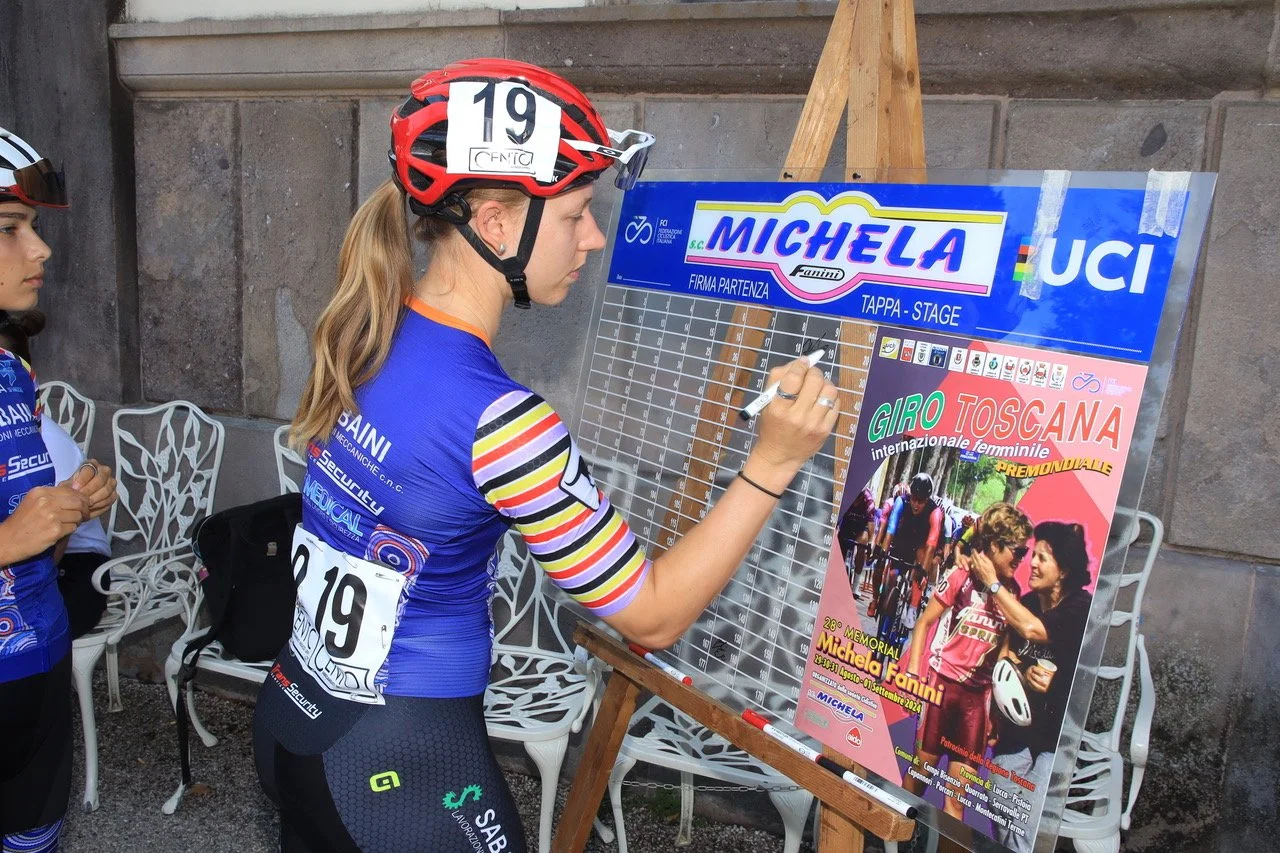
She tried a range of sports growing up - netball, swimming, aerobics - but it was rowing in high school where things began to shift. Not because she was the most naturally gifted, but because she became intrinsically driven. It stopped being about comparing herself to others and became about how far she could push herself.
After school, that mindset deepened. A call from her former rowing coach opened the door to taking the sport more seriously, and soon she was training up to 20 hours a week while juggling university and work. It was a heavy load, and eventually, it caught up with her. After pushing through both lightweight and heavyweight rowing, she burned out.
Cycling wasn’t part of the original plan. It was something her dad had always suggested - “you’re built for it” - but it took that burnout to finally make the shift.
She started late, around 25, and because of that, felt a sense of urgency. In her mind, she had one real shot to give it everything.
Within months, she had jumped into A-grade racing and was competing at a national level. Looking back, she admits she went in too hard, too quickly. Cycling has a steep learning curve - team tactics, bunch riding, and the physicality of racing elbow-to-elbow at speed. It forced her to step back, rebuild, and focus on the fundamentals.
That process is still ongoing.
Milla takes her performance seriously. She works with a coach, follows structured programs, and uses tools like VO2 max testing - but her relationship with data has evolved. In her view, numbers are useful, but only to a point. You can have elite metrics and still lose a race if you don’t understand positioning, terrain, or race dynamics. For her, the focus has shifted toward controlling what she can and tuning out the noise.
That level of commitment comes at a cost. Most days are tightly scheduled - training two to three hours around full-time work, with little room left for anything else. Social life, by her own admission, takes a hit. It’s not always sustainable, but for now, it’s a trade-off she’s willing to make.
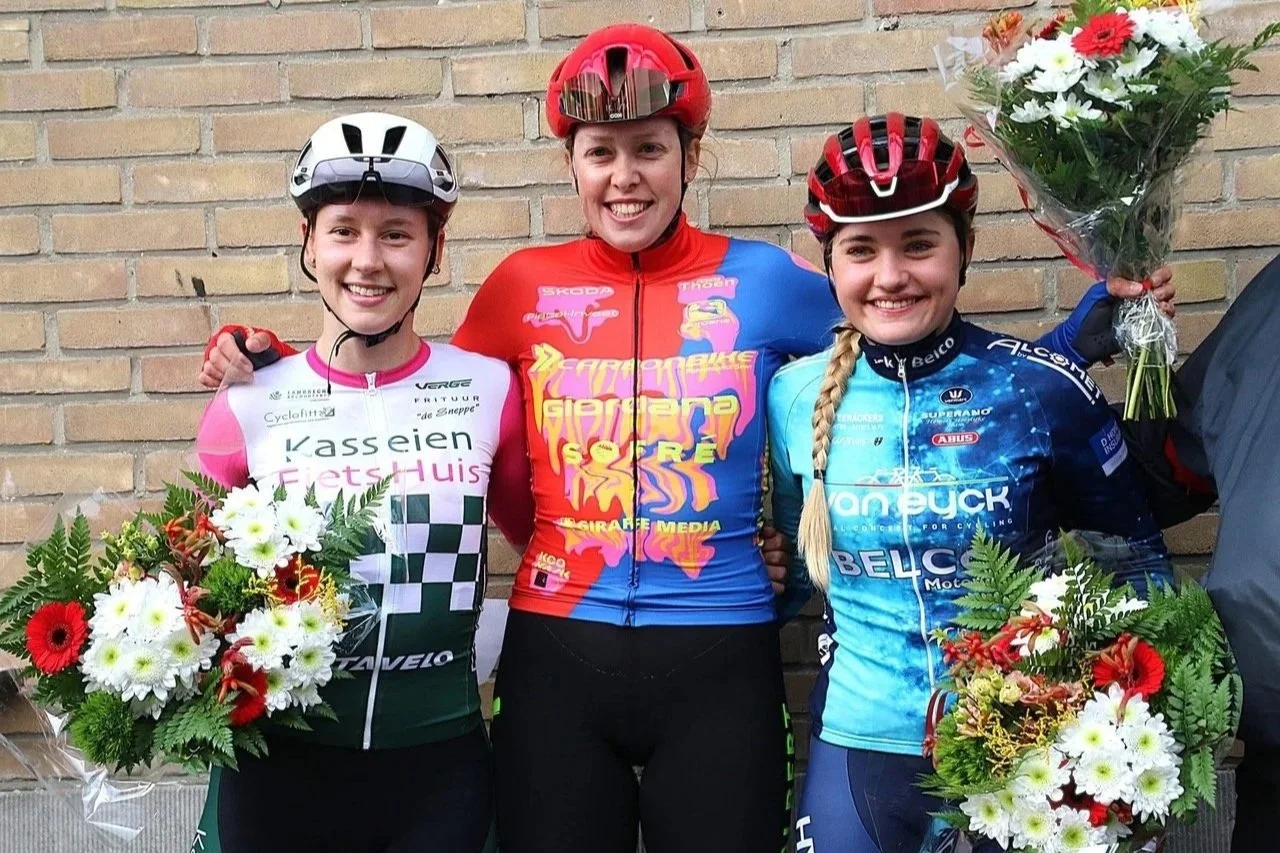
Racing adds another layer. Milla competes across two team environments, each offering something different. In Australia, the club system provides community and connection, while overseas - particularly in Europe - the structure is more professional. That’s the level she’s working toward.
Her selection into a Down Under Cycling Academy in late 2025 was a step in that direction, giving her exposure to high-level UCI racing in Europe. For Milla, it wasn’t just about results - it was about proving she could compete in that environment.
One race in Italy stands out. It was her first at that level, and by her own account, everything that could go wrong did. It was chaotic and demanding, but she held her own, finishing in the top half of the field against predominantly professional riders.
More than the result, it was what it represented. She had funded the trip herself, balancing work and training to make it happen, while many around her were supported financially. Just getting to the start line meant something.
The hardest period came earlier. Her first season in the sport was marked by crashes, some heavy. A split chin, a split eye and countless encounters with the road. Alongside the physical toll came doubt.
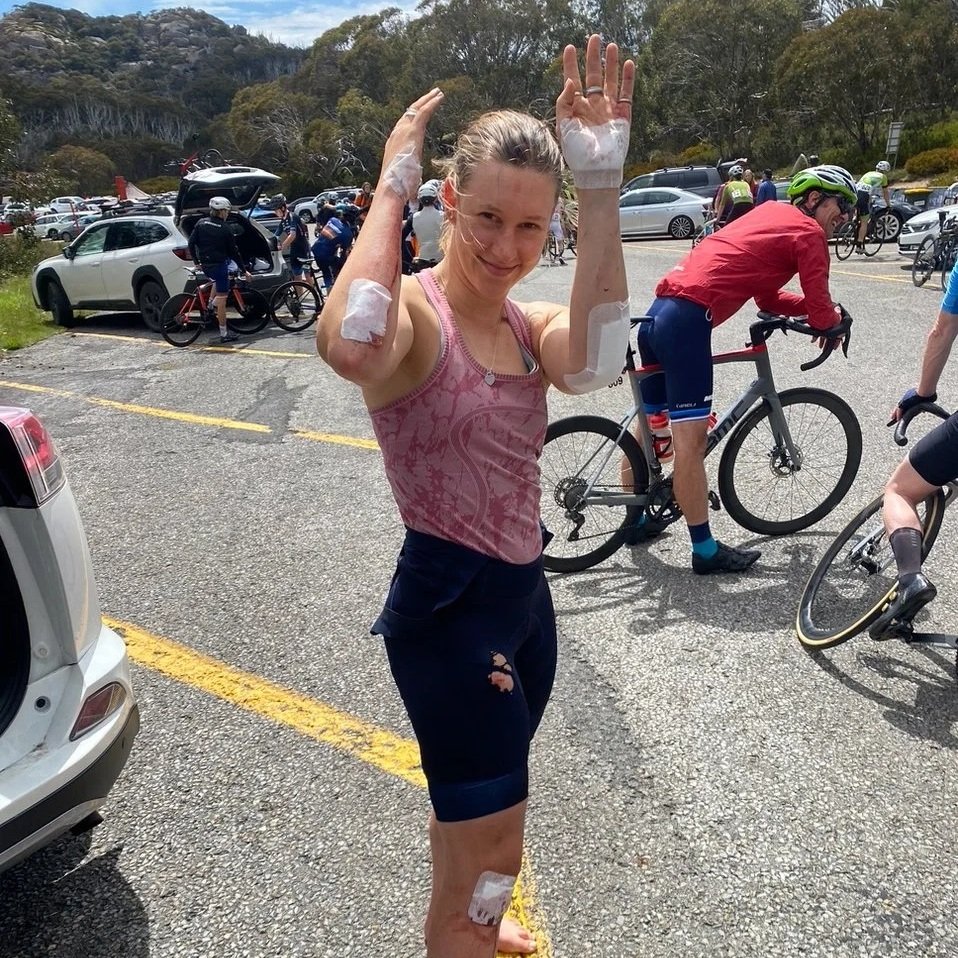
She describes it as her brain building “fear pathways.” Skills that once felt automatic - like cornering - suddenly didn’t. Confidence wasn’t just about getting back on the bike, but retraining her mind to trust herself again.
Her approach was methodical. Breaking skills down, repeating them deliberately, and using evidence to prove to herself that she could still execute. It’s something she still manages.
Looking ahead, the next step is clear. Milla is planning a move to Belgium in 2026, immersing herself in one of the most competitive cycling environments in the world. The goal is simple - get seen, gain experience, and earn a continental contract, where the sport shifts from self-funded to professionally supported.
It’s a risk, with no guaranteed outcome.
But in her view, it’s one she has to take.
She’s already faced the question of identity before. When rowing ended, she had to rebuild her sense of self away from the sport. That experience has helped her separate who she is from what she does, focusing more on the values and traits developed through it.
Because if the results don’t come, the experience still has to matter.
When asked if it’s all worth it, her answer is simple: she doesn’t want to live with regret. For now, it’s about giving it a real shot - while she can. Five years ago, racing in Europe felt out of reach. Now it’s her reality, and she’s not done yet.
When asked to describe her journey in three words, she keeps it simple: never say die.