Adam Crick
On any given weekend, there’s a good chance Adam Crick is either guiding someone toward a start line or helping them recover from one. His world sits at the intersection of performance and prevention - pushing limits but respecting them.
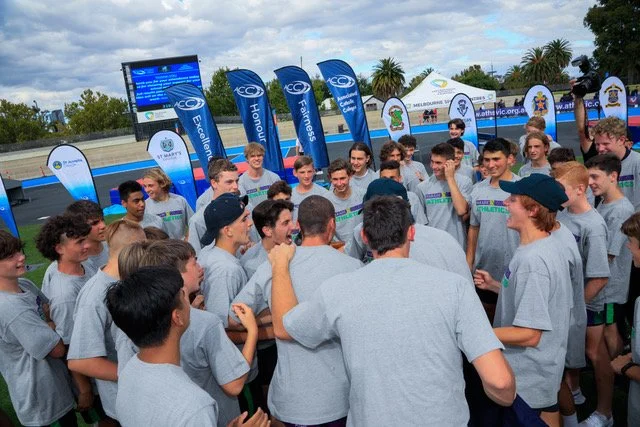
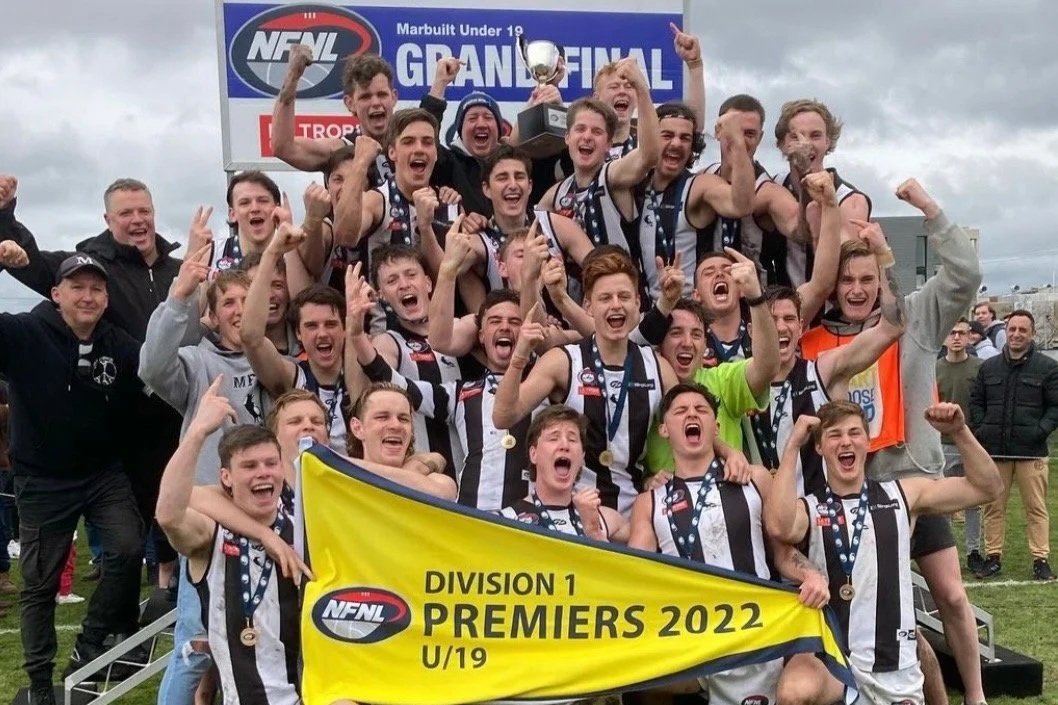
Adam grew up immersed in team environments - footy, cricket, basketball, he competed in them, all. School athletics and tough pre-seasons exposed him early to running, even if it wasn’t the focus at the time. After school, footy continued, but his curiosity gradually shifted toward what was happening beneath the surface.
That curiosity led him to physiotherapy. He was drawn to high-performing environments, but even more to understanding them - anatomy, biomechanics, load, and adaptation. He told me a statistic that stuck with him: One in five physios leave the profession within five years of starting their career. Although Adam is still early in his career, he’s energised by the work, stating that guiding someone back to movement during a vulnerable time (when they’re injured or frustrated) is one of the most rewarding parts of the job.
As footy gradually faded, running became more central. He believes there’s something uniquely honest about endurance sport in that you get out whatever you put in. It provides structure: you set a goal, build toward it patiently, and let consistency do its job.
That philosophy now underpins the Community Cadence, a running collective Adam founded. Community Cadence is a coaching platform and training group that helps everyday runners prepare for half-marathons, marathons, and other endurance events in a way that prioritises longevity. It combines individualised programming with a social training environment, something Adam believes is crucial in recreational sport.
It didn’t start as a business idea. It started with Brydie, his partner, who became his first athlete. She wanted to get into running but like many, didn’t know where to start. Adam dialled her training back before progressively building her load, guiding her to a half marathon and eventually her first full marathon. Then her friends reached out… and then their friends. Before anything was formalised, he was already coaching half a dozen runners all unpaid, simply because he enjoyed helping them improve.
Most of the growth has been word of mouth. Small circles expanding outward. It was originally called “Cricky’s Cadence,” but shifting to Community Cadence reflected what it had become: less about him and more about the group. Adam values watching athletes train together, build confidence, and arrive at start lines prepared.
One of his personal highlights came at Run Melbourne Half Marathon, where he ran a 1:18, averaging just over 3:40 splits. It was a performance built on disciplined training and patience and one of the proudest moments of his sporting life.
The low point came soon after. Three weeks out from the Melbourne Marathon, his hip gave way. Scans confirmed a bone stress fracture in the neck of his femur, and sixteen weeks on crutches followed. He went through two rehabilitation phases, later admitting he’d been slightly arrogant - assuming his university training and early clinical experience were enough to fast-track his own recovery. He was also diagnosed with Relative Energy Deficiency in Sport (RED-S), having under-fuelled for the load he was placing on his body.
The injury was physically frustrating and mentally taxing. In his view, injuries test identity as much as they test the body. The experience reshaped him. It deepened his empathy for patients and sharpened his coaching philosophy. Education now sits at the centre of Community Cadence - understanding load, fuelling properly, communicating openly, and weighing long-term development against short-term temptation.
He believes running’s recent surge in popularity, particularly post-COVID, reflects more than fitness trends. In his opinion, people are drawn to both its accessibility and its social element. For Adam personally, running provides clarity and momentum. A morning run helps set the tone for his day and reduces stress. During a rotation on an acute stroke ward, Adam helped teach patients to learn to walk again, an experience that reinforced his belief movement is a privilege.
Looking ahead, he’d love to complete a full Ironman, though he recognises the significant time commitment it demands. Professionally, he wants to continue learning from experienced clinicians and may one day open his own clinic. As for Community Cadence, his aim is measured growth - expanding its reach without sacrificing balance.
When asked to describe his journey in three words, he chooses: Kaizen, enjoyment, and work ethic. Cricky values continuous improvement - in his own life, and in the community running beside him.